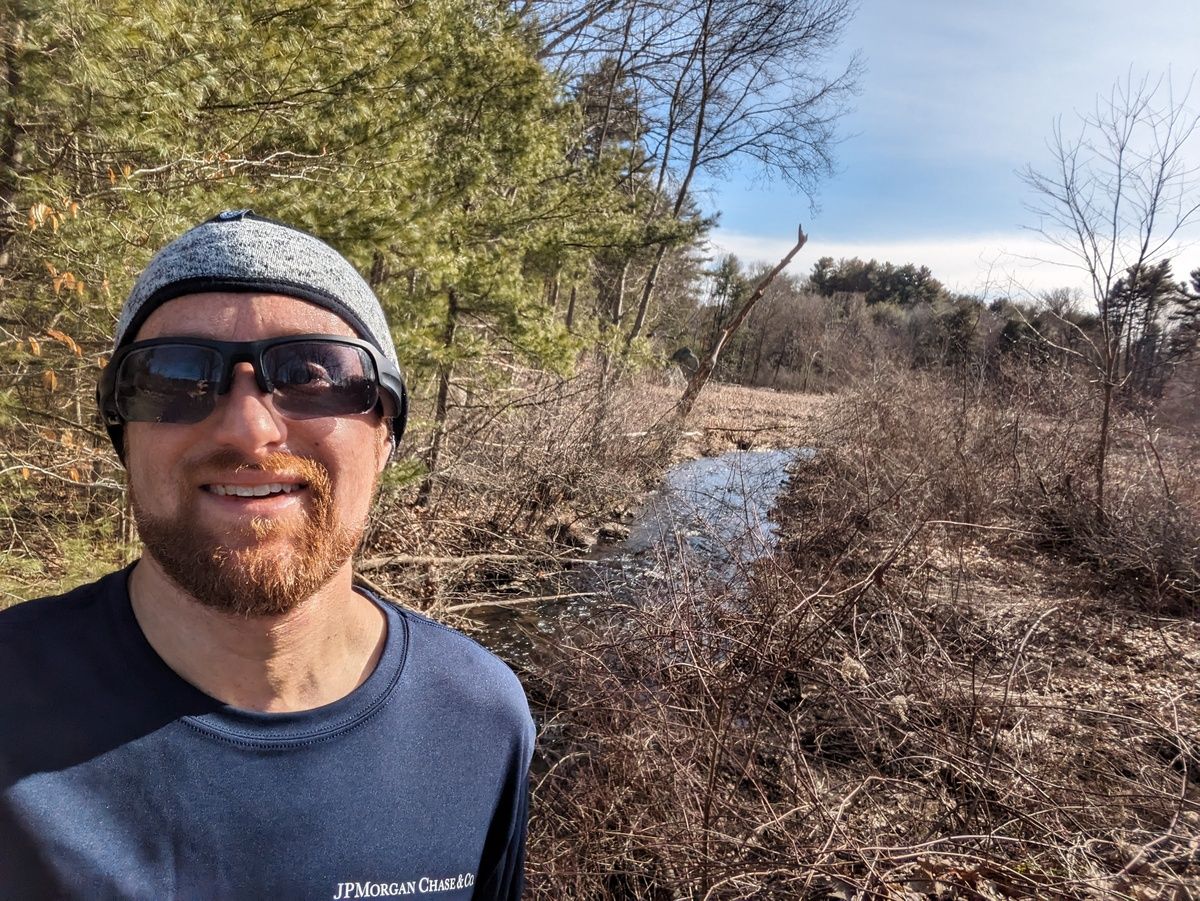

I spent lots of time shuttling the kids around today, but in between I was able to get out a bit and listen to talks and books for my #AcademicRunPlaylist!
First was an excellent discussion between Ann Lipton and Michael Levin on Exxon's proposed move from NJ (Delaware before Delaware) to Texas and upcoming proxy contests on the Shareholder Primacy Podcast. Highly recommend https://www.youtube.com/watch?v=5CjOdwHwVgI
Next was "Mobile Hollywood" by Kevin Sanson. Sanson provides a fascinating tour of how Hollywood movies get made, specifically on the portion of the industry that supports productions in non-studio locations. This gets into the work lives of location scouts, transportation, and other logistics personnel and its power with regards to the entire movie production pipeline. I would've liked more quantitative perspective on the scope of these different segments of production to help give context, as well as some more introductory material breaking down the mechanics of how a movie is made from start to finish to better understand how this class of work is positioned. Still, this is an engrossing dive on an industry that in many ways is an early look at the future of many kinds of work. Highly recommend https://www.ucpress.edu/books/mobile-hollywood/epub-pdf
Next was "The Life and Times of the Steamboat Red Cloud" by Annalies Corbin. This is a brief chronology of the Red Cloud steamboat, its owner IG Baker and Company, and its interactions and impact along the Missouri River. There's some introductory material on the steamboat industry and good transportation in the region, as well as intersections with the rail industry, but most of the book itself tracks the different seasonal voyages with detailed accounts of its freight cargo. This is probably most useful as a reference, with some good information on transportation cartels of the time https://www.tamupress.com/book/9781585444847/the-life-and-times-of-the-steamboat-red-cloud/
Last was "The Nature of the Beast" by David Anderson. Anderson does a great job systematically deconstructing the meaning of "emotions" and how we can possibly measure them in animals. Starting with behavioral observation, he then gets into neuroscience-based approaches for more deeply interrogating behavior and the intermediate, internal states that persist over longer periods of time. While eschewing anthropocentrism, he makes the common mistake of then claiming that an objective null hypothesis would be that we can't claim that animals have emotions like us. Ridiculous. Naturally, we should expect that we're not special, and that the default is that all animals are like us, with the burden of proof to show that they don't. He also makes the common mistake of claiming that his method is "objective." It's not - it's process-based and quantitative, which is good but not universally true in any real sense. These issues aside, Anderson delivers some real insight into the nature of emotions and neuroscience more broadly. Highly recommend https://www.hachettebookgroup.com/titles/david-j-anderson/the-nature-of-the-beast/9781541674646/
